Foundations do not fail overnight. In London, Ontario, they usually struggle for years under a mix of clay-heavy soils, fluctuating groundwater near the Thames River, and wide temperature swings. The early signs can be easy to dismiss - a sticky door in August, a hairline crack that seems more cosmetic than structural - until one spring thaw or a long fall rain turns a small nuisance into a wet basement. The trick is knowing which symptoms you can watch for a while, and which demand a specialist now.
This is a practical guide drawn from what actually happens on job sites in our region. It covers how to read common warning signs, what a proper assessment entails, the differences between basement waterproofing and structural foundation repair, and the options available in London. We will also discuss cost ranges you can use for planning and, just as important, the missteps that make problems more expensive than they need to be.
Why London homes are vulnerable
Soils around London tend to be silty clay to clay loam, with pockets of native sand and fill near newer subdivisions. Clay holds water, swells when saturated, and shrinks during dry spells. Add freeze-thaw cycles from November through March, and foundations get pushed and pulled in all directions. Hydrostatic pressure builds on basement walls when the surrounding soil is saturated, which is common in spring snowmelt and after multi-day rains. If you live near low-lying areas or older neighborhoods with mature trees, you may also contend with roots seeking moisture and old clay weeping tile that has collapsed or clogged with mineral build-up.
Homes built before the late 1970s often have minimal exterior foundation damp proofing and original clay weeping tile. Many mid-century basements were not intended as living spaces, so moisture control was a lower priority. That context explains why wet basement issues on the south and east sides of town tend to show up after long wet periods, and why seasonal cracks can widen a millimeter or two over a few years.
The quiet signals that matter
A small crack or a musty smell does not mean panic. Still, some combinations of symptoms are reliably associated with developing problems.
- Subtle vertical cracks that weep after heavy rain, paired with efflorescence - a white, powdery residue - along the crack or cold joint. Efflorescence is a clue that water is wicking through concrete, leaving behind salts. If you see it repeatedly, that is active moisture, not a one-off event. A horizontal crack mid-wall in a block foundation, especially if the wall bows inward more than about 6 to 12 millimeters. Bowing plus a horizontal crack points to soil pressure, not just shrinkage. Floors that slope toward one corner by more than 10 to 12 millimeters across a room, doors that bind seasonally, and new drywall cracks above doorways. Differential settlement often announces itself through finishes before you notice exterior clues. A sump pump that runs constantly during ordinary rain, or a sump that short cycles because of a missing or failed check valve. Overworked pumps hint at high groundwater or poor drainage to the weeping tile. A wet basement smell that persists into dry weather. Moisture sources may be intermittent, but mold and mildew can linger. If dehumidifiers and ventilation barely help, you likely have an ongoing infiltration path.
Any of those, on their own, do not necessarily spell emergency. When you see them together, especially after a wet season, it is time to schedule an assessment. If you search for wet basement London Ontario in the middle of April, you join a queue. Catch it in February or late summer and you may get more time and better pricing.
When a phone call cannot wait
There are cases where you do not wait for a convenient appointment window. Two examples from past seasons come to mind. In one, a homeowner on a street near the river heard a pop after a freeze, then saw a jagged step crack open along a mortar joint in a block wall, with the wall deflecting inward almost a centimeter in a week. In another, a newer poured foundation developed a sudden leak at the cove joint where the floor meets the wall, with water pushing up through a hairline gap and pooling during every storm. In both, the right move was to call a foundation repair London Ontario specialist immediately. Rapid changes in wall deflection and active water under pressure are not do-it-later items.
If you are deciding whether to treat your situation as urgent, use a sanity check. Is the problem getting measurably worse over days rather than months? Is water actively entering, not just leaving damp marks? Are structural elements - beams, sill plates, joists - compromised by visible rot or separation? Urgency is not about fear, it is about the rate of change and the potential for secondary damage like mold, electrical risks, or a compromised foundation wall.
Not all cracks are equal
Concrete shrinks as it cures, and many poured foundations develop thin vertical cracks within the first year. Most are harmless and can be injected with polyurethane foam to stop seepage. The trouble is that homeowners often assume all cracks are the same, and contractors occasionally treat them that way. Look at orientation, width, and pattern.
Vertical hairlines that are relatively straight and do not widen from bottom to top are usually shrinkage cracks. Diagonal cracks that trend from windows or corners and open wider at the top point to settlement. Horizontal cracks, or a stair-step pattern in block walls, suggest lateral pressure from wet soil or frost heave. Measure them with a feeler gauge or even a sliver of a credit card, mark the ends with a dated pencil line, and see if they grow over a season. Growth of more than a millimeter or two or any active water should be evaluated.
Basement waterproofing versus structural repair
The terms get used interchangeably by marketing teams, but in the field, they solve different problems. Basement waterproofing deals with water management - keeping bulk water out, relieving hydrostatic pressure, and controlling humidity. It includes exterior membranes, weeping tile, sump systems, interior drains, and crack injection for leaks. Structural foundation repair addresses movement and load transfer - stabilizing a sinking footing, bracing or straightening a bowing wall, replacing deteriorated masonry, or underpinning to a deeper bearing stratum.
If your primary complaint is a wet basement with no signs of structural movement, a water management solution may be enough. For a wet basement paired with wall bowing, settlement, or significant step cracking, you need both.
What a thorough assessment looks like
You can tell a lot by how a contractor approaches the first visit. A credible specialist will take moisture readings, check exterior grading and downspout extensions, look for efflorescence and past water lines, test the sump pump and check valve, and walk the entire foundation inside and out. On older homes, they should ask about past flooding, sewer backup history, and whether the neighborhood has a municipal storm drain or combined system. Camera scoping of existing drain tile is worth the cost when records are missing. On sloped lots, they will consider how runoff moves in heavy storms. In London, Ontario, the City’s lot grading certification or subdivision drainage plan can be helpful if still on file.
Expect them to talk through options with trade-offs, not push a single product. An exterior waterproofing system is excellent, but it is disruptive and costs more than interior options. Interior drainage systems manage water that has already entered the structure, but they do it reliably and with less excavation. The right choice depends on your soil, lot layout, wall condition, and how you use the basement.
Common solutions in London and when they fit
Crack injection. For single, leaking cracks in poured concrete, low-pressure polyurethane injection seals the path and expands to fill voids. Epoxy injection is used where structural strength across the crack must be restored, such as a shear crack near a beam pocket. Many single-crack repairs are completed in half a day and last for decades if the foundation is otherwise stable. If the crack reflects ongoing movement, injection alone is a bandage.
Exterior excavation and waterproofing. This is the gold standard for keeping a foundation dry at the source. It involves excavating to the footing, cleaning the wall, sealing with a membrane or elastomeric coating, installing a drainage board, and replacing or adding weeping tile connected to a sump or storm outlet. In London’s clay, adding a washed stone layer and filter fabric prevents fines from clogging the pipe. It is disruptive - landscaping and walkways often need to be removed and replaced - but for persistent seepage across multiple wall sections, this method solves the root cause by relieving pressure and giving water a path away from the wall.
Interior perimeter drains. When exterior access is limited by property lines or additions, an interior drain system along the footing feeds a sump basin. It does not stop water at the wall, but it collects it before it reaches the living space. For finished basements where you do not want to disturb the exterior, this is a practical path. Pair it with a reliable sump pump, a sealed lid, and at least one battery backup pump. Around London, power outages during summer storms are frequent enough that backups pay for themselves the first time they save a basement.
Carbon fiber straps and wall bracing. For block walls with bowing up to about 25 millimeters, carbon fiber straps anchored to the sill and footing can halt movement. If deflection is greater, steel I-beam braces anchored at the top and set in the slab at the bottom are often chosen. In severe cases or when you want to reclaim wall plumbness, excavation with wall straightening might be necessary, timed for warmer months to minimize frost-related soil movement.
Helical piers and push piers. For settlement where the footing has lost bearing capacity, piers installed to competent strata re-establish support and can lift the structure. Homes in areas with deep fill or near former ravines sometimes need this approach. It is not the first tool, but when elevations show clear downward movement across a portion of the foundation, it is the right one.
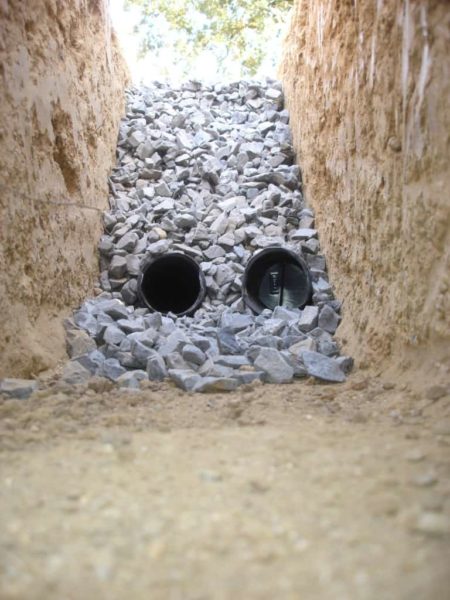
Sill and beam repairs. Long-term moisture, termites are rare here but carpenter ants and rot are not, and poor ventilation can deteriorate wood supporting the first floor. A full foundation repair plan that ignores damaged sill plates or rim joists is incomplete. Temporary shoring, sistering, and replacement are straightforward for a capable crew.
Exterior details that prevent a wet basement
Half the wet basement calls that come in each spring could be prevented with basics. Gutters that are clean and appropriately sized, downspouts extended at least 2 to 3 meters from the foundation, and grading that falls away from the house by about 2.5 centimeters per 30 centimeters for the first 2 meters do more than any interior gadget. In neighborhoods with tight setbacks, splash pads alone rarely move enough water. A solid extension or buried discharge line with a freeze-resistant outlet matters. Be mindful of winter - discharge lines need air gaps or relief points so that ice does not force water back to the foundation.
Mature trees have thirsty roots, which can desiccate soils during drought and swell clay when rains return. That moisture cycling affects foundations. Root barriers and mindful planting distance help, but in many established areas you inherit the trees. Budget for maintenance and monitor the side of the house nearest large canopies for seasonal movement.
Costs and timelines you can actually use
Prices vary by access, depth, and scope, but rough ranges help plan and compare quotes. A single polyurethane crack injection often comes in at 450 to 800 CAD, more if access is tight or finishing removal is involved. Exterior waterproofing runs 180 to 350 CAD per linear foot in London, depending on depth, soil, and whether you are replacing weeping tile and adding insulation or drainage board. An interior perimeter drain with a new sump system typically ranges from 80 to 140 CAD per linear foot, plus 1,200 to 2,500 CAD for pumps, basins, and a battery backup.
Carbon fiber reinforcement for a block wall might cost 600 to 1,000 CAD per strap, with spacing based on engineer recommendations. Steel beam bracing for a bowing wall usually starts around 1,200 CAD per beam installed. Helical or push piers vary widely, but a working range is 2,000 to 3,500 CAD per pier, and a typical corner lift might require four to eight piers. These are ballpark figures meant for preliminary planning, not a binding estimate. Site conditions, permit requirements, and finishing work can shift totals by 20 percent either way.
Timing depends on season and weather. Exterior excavations are best scheduled from late spring through early fall. Interior drain systems and injections can be done year-round. If you call for basement waterproofing London Ontario during spring thaw, expect a lead time of two to six weeks. Many reputable outfits triage emergencies, but non-urgent projects will queue.
Permits, inspections, and what London expects
Structural repairs that alter load paths or involve underpinning usually require a building permit under the Ontario Building Code. Carbon fiber straps and interior drains typically do not, but beam bracing anchored to framing often does. Replacing weeping tile and exterior waterproofing can trigger utility locates and, in some cases, sidewalk or boulevard permits if you need to access municipal property. Any contractor working in London should arrange Ontario One Call locates before digging, carry liability insurance, and have WSIB coverage. Ask for proof. Not because you expect a problem, but because the wrong mishap near a gas line or fiber conduit can become life-altering.
If a repair plan commercial foundation repair london involves significant wall movement or piering, expect an engineer’s review and, sometimes, field inspection. Good contractors welcome it. It aligns everyone on the target outcomes and makes future resale conversations easier because you can hand a buyer an engineer-stamped letter rather than an invoice and a hope.
Choosing the right contractor without the drama
It is easy to get lost in sales pitches. Look for a few telltale signs of competence. They should ask you more questions than you ask them. They should measure, not guess, and explain moisture sources without blaming “rising water tables” for everything. They should be willing to sequence work - for instance, fix exterior drainage and monitor for a season before committing to interior drains - when the situation allows. References should include jobs at least two years old, not just last month’s. If a company only sells interior systems or only sells exterior systems, be cautious. Many homes need a mix over time.
Contracts should specify materials by brand or type, not just “membrane” or “drain.” For basement waterproofing, you want to know if you are getting a peel-and-stick membrane, a liquid-applied elastomeric, or a dimpled drainage board, and how they tie into each other at seams and penetrations. For sump work, look for details on pump capacity in gallons per hour, head height ratings, float type, and backup runtime expectations. If the contractor sidesteps those details, you are not buying expertise, you are buying a line item.
Living with the fix
Repairs do not end the day the crew leaves. Concrete cures for weeks. Backfill settles. Pumps need testing. Build a simple maintenance rhythm and you avoid the most common callbacks. Check your sump quarterly by lifting the float and making sure the discharge is clear. Keep downspouts extended and gutters clean before the leaf drop finishes in late October. Watch repaired cracks each season, not daily. If you added interior drains, run a dehumidifier to keep relative humidity below 55 percent in the summer. If you have carbon fiber straps, leave them visible for a year, then finish the wall so you can inspect during the first 12 months without ripping drywall.
One client in Old South suffered through two minor floods before agreeing to a full perimeter drain and exterior grading correction. Their basement went from musty to comfortable with a 1,500 dollar investment in grading and extensions before the interior work even began. The perimeter system and a reliable sump with battery backup closed the loop. The surprise was how much their first-floor hardwood cupping eased after humidity stabilized. Water problems are not just about puddles on the floor. Humidity migrates through the entire building.
Health and indoor air quality, beyond the puddles
A wet basement is not just a storage problem. Elevated moisture supports mold growth on paper-faced drywall, exposed framing, and even dust. London sees summer humidity in the 70 to 90 percent range on bad days. Couple that with basement infiltration and you can end up with a mold-friendly environment without standing water. People with allergies notice it first, but even healthy occupants get sleepy, headachy, and uncomfortable. Waterproofing and drainage solve the water, but air sealing, proper insulation on rim joists, and controlled ventilation round out the fix. If you are finishing a basement, specify foam board or closed-cell spray foam against foundation walls rather than fiberglass batts pressed against concrete. It costs more, but it keeps warm, moist indoor air from reaching a cold concrete surface and condensing behind your finishes.
Radon is also part of the conversation. Southwestern Ontario has variable radon levels. If you are opening floors for an interior drain or adding a sump, that is the time to install a radon rough-in. It is cheap while the slab is open and gives you a path to mitigate if testing shows elevated levels later.
A straightforward checklist for homeowners
- Walk your foundation inside and out twice a year, spring and fall, and mark any cracks with a pencil and date. Keep downspouts extended 2 to 3 meters, verify positive grading, and clear gutters before heavy rain seasons. Test your sump pump and backup quarterly, and confirm the discharge is not frozen or blocked. Photograph any bowing, step cracks, or recurring seepage, and note weather conditions when they appear. Call a foundation repair London Ontario specialist if you see rapid crack growth, active water ingress, or wall deflection beyond a few millimeters.
What to expect during the work
The disruption level varies. Crack injections create minimal mess. Interior drains are dusty for a day or two, even with good containment, as concrete cutting and trenching stir up fine particles. A conscientious crew will seal doorways with plastic, run HEPA-filtered air scrubbers, and protect finished areas. Exterior waterproofing is a construction site in your yard for several days. Protecting landscaping is possible in some cases, but plants along the immediate foundation are often sacrificed. Plan for fence panel removal and reinstallation in tight side yards.
Communication is your best tool. Ask for a daily recap: what was completed, what is next, and any surprises. Surprises happen - boulders in backfill, undocumented utilities, unexpected footing depths - but clear updates prevent small course corrections from turning into disputes.
How basement waterproofing in London factors into resale
Prospective buyers in London have learned to ask about basements. A dry, well-documented basement boosts confidence, particularly in neighborhoods known for high water tables or older homes. Keep your invoices, warranties, and any engineer letters in a labeled folder. Take photos during the work, especially before finishes go back up. A dehumidifier plumbed to a drain and a tidy sump with a sealed lid send the right message during showings. If you ever contemplate finishing the basement, insurance companies are more comfortable when they see proactive measures, which sometimes reduces premiums or at least smooths approvals.
Bringing it together
You do not need to become a structural engineer to make smart decisions about your foundation, you just need a working sense of how water and soil behave around London homes. Watch the quiet signals, manage the exterior first where possible, and bring in help when the pace of change or the pattern of damage points to more than surface moisture. When you search for basement waterproofing London Ontario or wet basement London Ontario and start weighing options, remember that the best plan in our climate often involves layers - drainage, sealing, and structural stabilization where needed - not a single silver bullet.
If you suspect trouble, choose action over worry. A measured assessment and a well-sequenced repair can turn a damp, unpredictable space into dependable square footage, and protect the structure that holds everything above it.
Ashworth Drainage — Business Info (NAP)
Name: Ashworth DrainageAddress: 514 Hale St, London, ON N5W 1G8
Phone: (519) 660-9375
Website: https://www.ashworthdrainage.ca/
Email: [email protected]
Hours:
Monday: 9:00 AM – 5:00 PM
Tuesday: 9:00 AM – 5:00 PM
Wednesday: 9:00 AM – 5:00 PM
Thursday: 9:00 AM – 5:00 PM
Friday: 9:00 AM – 5:00 PM
Saturday: Closed
Sunday: Closed
Open-location code (Plus Code): XRR3+HV London, Ontario
Map/listing URL: https://maps.app.goo.gl/9kaoXAxRtJRP1ThS9
Embed iframe:
Socials (canonical https URLs):
Facebook: https://www.facebook.com/ashworthdrainage/
X: https://twitter.com/ashworthrules
Instagram: https://www.instagram.com/ashworthdrainage/
https://www.ashworthdrainage.ca/
Ashworth Drainage provides basement waterproofing and foundation repair services in London, Ontario and surrounding areas in Southwestern Ontario.
The company helps homeowners address wet basements, water intrusion, and drainage issues with solutions that fit the property’s conditions.
Service requests can include foundation repair, waterproofing options, sump pump and drainage-related work, and related assessments.
Ashworth Drainage is based at 514 Hale St, London, ON N5W 1G8.
To reach the team, call (519) 660-9375 or email [email protected].
Business hours are Monday to Friday 9:00 AM–5:00 PM, with the office closed Saturday and Sunday.
For directions and listing details, use the map listing: https://maps.app.goo.gl/9kaoXAxRtJRP1ThS9.
Popular Questions About Ashworth Drainage
What does basement waterproofing help prevent?Basement waterproofing is intended to reduce water intrusion and moisture problems that can lead to dampness, leaks, odors, and damage over time.
How do I know if I may need foundation repair?
Common signs can include visible cracks, water seepage, shifting or uneven areas, or recurring moisture problems; an on-site assessment is usually the best way to confirm causes and options.
What areas does Ashworth Drainage serve?
Ashworth Drainage serves London, Ontario and surrounding areas in Southwestern Ontario.
What are Ashworth Drainage’s hours?
Monday–Friday 9:00 AM–5:00 PM; Saturday closed; Sunday closed.
How can I contact Ashworth Drainage?
Phone: +1-519-660-9375
Email: [email protected]
Website: https://www.ashworthdrainage.ca/
Map: https://maps.app.goo.gl/9kaoXAxRtJRP1ThS9
Facebook: https://www.facebook.com/ashworthdrainage/
X: https://twitter.com/ashworthrules
Instagram: https://www.instagram.com/ashworthdrainage/
Landmarks Near London, ON
1) Kiwanis Park2) Western Fair District
3) Covent Garden Market
4) Victoria Park
5) Budweiser Gardens
6) Museum London
7) Fanshawe Conservation Area